Roots, Rain, and Resin: Understanding Cannabis Terroir Like a True Connoisseur
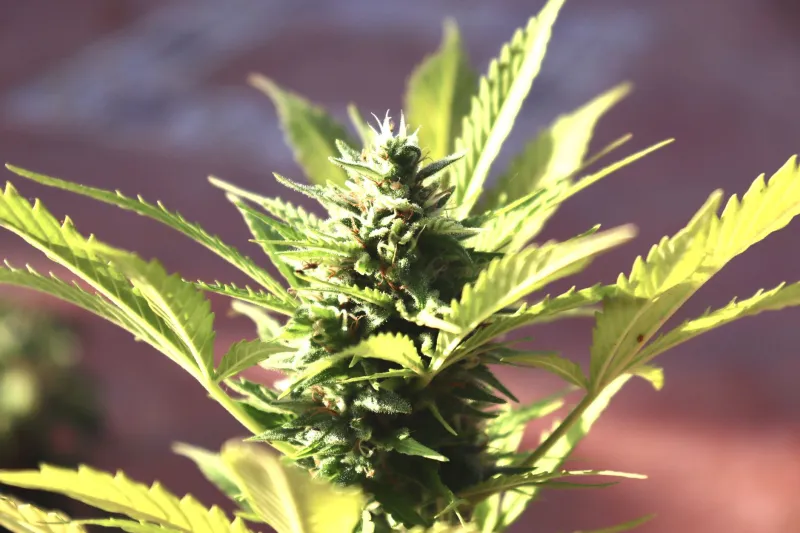
When a seasoned sommelier lifts a glass of Burgundy to the light, they are not merely evaluating a beverage — they are reading a landscape. The chalky limestone soils of the Côte d'Or, the cool Atlantic fog, the particular angle of an afternoon sun: all of it lives within the wine. Cannabis, it turns out, speaks the same language. For those willing to listen carefully, every premium flower tells a story of its origins — a story written in terpenes, cannabinoids, and the patient labor of cultivators who understand that great cannabis begins long before the harvest.
At Cannaisseur Brands, we believe that appreciating cannabis at its highest level demands exactly this kind of attentiveness. The concept of terroir — a French term that broadly describes the environmental conditions shaping an agricultural product's character — has arrived in cannabis culture, and it is reshaping how discerning consumers select, evaluate, and savor their flower.
What Terroir Actually Means for Cannabis
Terroir is not a single variable. It is a constellation of interacting forces: soil composition, elevation, humidity, diurnal temperature swings, water sources, and even the microbial ecosystems thriving beneath the surface. In viticulture, these factors are studied with near-obsessive precision. In cannabis cultivation — particularly among the small-batch, craft growers who supply the premium market — that same precision is increasingly being applied.
Soil is perhaps the most foundational element. Cannabis cultivated in living soil rich with organic matter, beneficial fungi, and diverse microbial life develops terpene profiles of extraordinary complexity. The plant's root system, interacting dynamically with the soil food web, draws up minerals and compounds that directly influence the aromatic and therapeutic character of the finished flower. Compare this to a plant grown in an inert, nutrient-solution-fed medium, and the difference — to a trained palate — is often immediately apparent.
"The soil is not just a substrate," explains Marcus Webb, a third-generation farmer operating a small sun-grown operation in Humboldt County, California. "It's a living partner in the process. When we amend our beds with kelp meal, worm castings, and aged compost, we're not just feeding the plant — we're cultivating an entire underground ecosystem that feeds the plant in ways we're still learning to fully understand."
America's Cannabis Growing Regions: A Terroir Map
Just as France has its appellations and Napa Valley carries a reputation built on geography, the United States is developing a meaningful regional cannabis identity.
The Emerald Triangle (Northern California): Comprising Humboldt, Mendocino, and Trinity counties, this region represents the spiritual and historical heartland of American craft cannabis. The combination of coastal fog, warm inland afternoons, and deeply weathered soils produces flower renowned for its complex terpene expression — often featuring pronounced myrcene, caryophyllene, and linalool notes that manifest as earthy, spiced, and subtly floral on the palate.
The Rogue Valley (Southern Oregon): Sitting at higher elevation with more dramatic temperature differentials between day and night, the Rogue Valley stresses cannabis plants in ways that encourage prolific resin production. Cultivators here frequently note that their harvests express elevated terpinolene and ocimene concentrations, lending a bright, almost herbaceous quality to the flower.
The San Luis Valley (Colorado): One of the highest agricultural valleys in the country, this region's intense UV radiation, low humidity, and sandy loam soils create conditions that challenge and ultimately strengthen the cannabis plant. The resulting flower tends toward robust trichome development and a notably clean, crisp aromatic profile.
The Hudson Valley (New York): As New York's adult-use market matures, this historic agricultural corridor is emerging as an unexpected terroir of note. Rich glacial soils, humid summers, and the moderating influence of the Hudson River create conditions that small-batch cultivators are only beginning to fully explore.
Reading Terpenes as Terroir Signatures
For the connoisseur, terpenes serve as the vocabulary of terroir. These aromatic compounds — produced in the same resin glands that generate cannabinoids — are profoundly sensitive to environmental conditions. Light intensity, water stress, soil mineral content, and ambient temperature during the flowering stage all influence which terpenes a plant expresses and in what concentrations.
Limonene, for instance, tends to develop more prominently in warm, sun-intense environments. Pinene, with its characteristic sharp, forested quality, often appears in abundance in higher-elevation, cooler-climate grows. Myrcene — earthy and musky, the most prevalent terpene in most commercial cannabis — can vary dramatically in concentration depending on soil organic matter and irrigation practices.
Developing the ability to identify these compounds on the nose and palate is a skill, and like all skills, it rewards practice. Begin by selecting single-origin, small-batch flower from identified cultivators who disclose their growing region and methods. Note the aroma before grinding — what is the dominant impression? Citrus? Pine? Earth? Fuel? After grinding, how does the profile shift? These are the questions a connoisseur asks.
"I always tell people to slow down before they consume," says Priya Anand, a cannabis educator and sensory consultant based in Denver. "Spend two full minutes just with the nose. You'll be surprised what reveals itself when you're not rushing."
The Case for Sun-Grown, Single-Origin Flower
Indoor cultivation has produced extraordinary cannabis, and we do not dismiss its achievements. The control that a sophisticated indoor environment offers — dialed-in spectrums, humidity management, precise nutrient delivery — can yield flower of remarkable consistency and potency. However, it also, by definition, removes the plant from the environmental variables that constitute terroir.
Sun-grown, outdoor cannabis — particularly when cultivated by small-batch farmers working with living soil and minimal intervention — carries within it the irreplaceable character of a specific place and season. It is, in this sense, the cannabis most analogous to a fine wine or an artisanal cheese: a product that cannot be fully replicated because it cannot be fully divorced from its origins.
This is why Cannaisseur Brands maintains a deep commitment to curating single-origin, cultivator-identified flower from across the country's most distinguished growing regions. When you select a product from our collection, you are not simply purchasing a cannabinoid percentage — you are acquiring a sensory experience rooted in geography, season, and craft.
Building Your Connoisseur's Palate
Terroir appreciation is not an innate gift — it is a cultivated practice. Here are three foundational steps for the aspiring cannabis connoisseur:
Keep a tasting journal. Record the cultivar, origin, grower, and your sensory impressions for every premium flower you explore. Over time, patterns emerge. You will begin to recognize the signature of a particular region or cultivator without being told.
Seek provenance. Prioritize flower that comes with meaningful information about where and how it was grown. A cultivator willing to share their soil practices, water source, and growing region is a cultivator confident in their work.
Engage with the growers. The craft cannabis community in the United States is, remarkably, accessible. Farmers' markets, brand events, and social media have created direct lines between cultivators and consumers. Ask questions. The answers will deepen your appreciation immeasurably.
The Terroir Conversation Has Only Just Begun
As federal legalization continues its deliberate approach and interstate commerce eventually becomes a reality, the regional identity of American cannabis will only grow more defined — and more consequential. The appellations of tomorrow are being established in the soil of today.
For the true connoisseur, this is an extraordinary moment to be paying attention. The vocabulary is being written. The traditions are being formed. And the flower, grown with intention in remarkable American landscapes, is waiting to be properly appreciated.
At Cannaisseur Brands, we are honored to be your guide through this evolving landscape — one terpene, one cultivator, and one extraordinary terroir at a time.