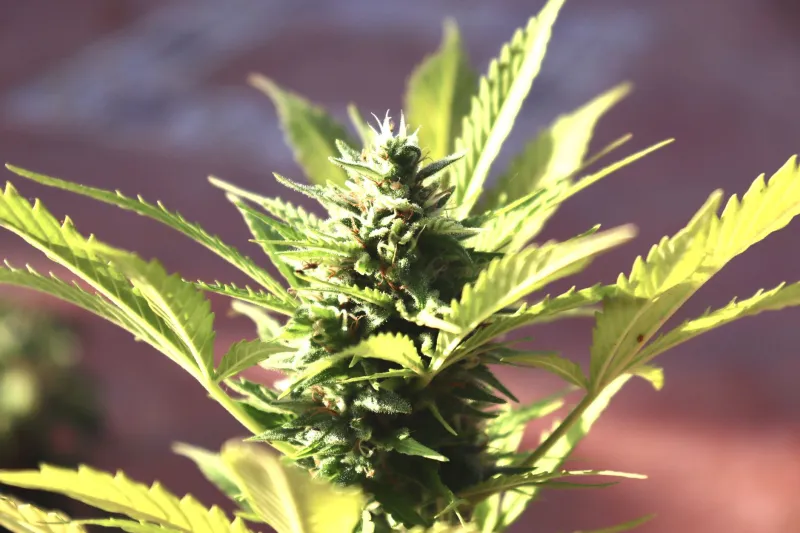
From Table to Terpene: A Connoisseur's Guide to Pairing Cannabis with Food and Drink
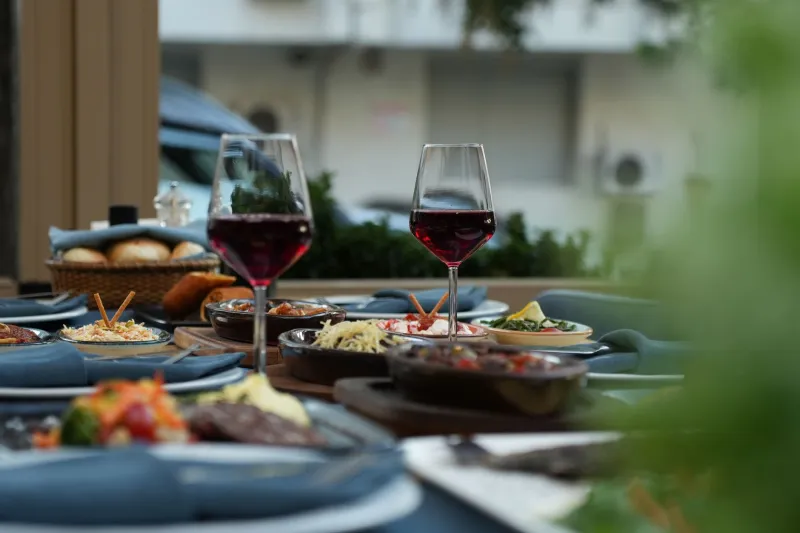
There is a certain quiet sophistication in the act of pairing. Long celebrated in the world of fine wine, the discipline asks its practitioners to think beyond mere preference — to consider how two distinct sensory experiences might, when brought together with intention, produce something greater than the sum of their parts. Today, a growing community of cannabis connoisseurs is applying this same philosophy to the table, asking not simply what to consume, but how each cultivar's chemical composition might harmonize with a particular dish, beverage, or dining occasion.
This is not novelty for novelty's sake. It is the natural evolution of a culture that has, for too long, been denied the vocabulary and the platform to discuss cannabis with the nuance it deserves.
Understanding the Foundation: Terpenes as Flavor Architecture
Before one can begin pairing cannabis with confidence, it is essential to develop fluency in the language of terpenes. These aromatic compounds — found abundantly in cannabis, but also throughout the broader plant kingdom — are responsible for the distinctive scents and flavors that differentiate one cultivar from another. Myrcene carries the earthy, musky warmth of ripe mango. Limonene offers the bright citrus clarity of a freshly zested lemon. Pinene evokes a walk through a Pacific Northwest forest after rainfall.
Beyond aroma, terpenes interact synergistically with cannabinoids to shape the overall effect profile of a given strain — a phenomenon researchers refer to as the entourage effect. For the purposes of pairing, this means that a thoughtful selection must account for both flavor resonance and the experiential arc a strain is likely to produce. A cultivar that heightens sensory perception, for instance, may prove transformative alongside a meticulously prepared tasting menu; one that promotes deep relaxation might be better suited to a leisurely weekend brunch.
The most accomplished cannabis pairings honor both dimensions simultaneously.
The Sommelier's Method, Reimagined
Classic wine pairing operates on a handful of enduring principles: complement or contrast, weight matching, regional affinity, and the management of tannin, acid, and sweetness. Cannabis pairing borrows liberally from this framework while introducing its own distinct considerations.
Complement and echo. Much as a buttery Chardonnay finds harmony alongside a cream-based pasta, a myrcene-forward cultivar — think classic indica-leaning strains with notes of clove and tropical fruit — can amplify the richness of slow-braised short ribs or a well-marbled dry-aged steak. The earthiness in both the strain and the dish creates a resonant, layered experience.
Contrast and counterpoint. Conversely, a limonene-dominant sativa such as a classic Super Lemon Haze can cut through the fattiness of a charcuterie board with remarkable elegance, its citrus brightness functioning much as a squeeze of Meyer lemon might on a plate of raw oysters. The contrast refreshes the palate and heightens the appreciation of each component.
Weight and occasion alignment. A heady, cerebral strain is ill-suited to a quiet Sunday dinner intended to wind down before sleep; a deeply sedating cultivar would be equally misplaced at a lively dinner party where spirited conversation is the evening's centerpiece. Consider the arc of your gathering and select accordingly.
Pairing by Course: A Practical Framework
For those hosting formal dinners or elaborate tasting menus, approaching cannabis pairing course by course offers both structure and creative opportunity.
Aperitif and Appetizers
The opening moments of a meal call for cultivars that stimulate rather than satisfy — strains that sharpen the appetite and heighten anticipatory pleasure without overwhelming the senses. Terpinolene-rich varieties, which often present floral and slightly herbal top notes, pair beautifully with delicate first courses: a chilled gazpacho, oysters on the half shell, or a composed salad of bitter greens and pickled stone fruit. Their uplifting quality sets a convivial tone without front-loading the evening's experience.
The Main Course
This is where the most expressive pairings often emerge. For cuisines built on umami depth — Japanese ramen, Korean barbecue, a classic French cassoulet — myrcene-dominant cultivars offer a natural affinity, their savory, almost funky undertones weaving seamlessly into the dish's complexity. Mediterranean preparations heavy with fresh herbs and olive oil invite pinene-forward strains, whose piney brightness mirrors the botanical character of the food itself. For spice-forward cuisines — Sichuan, Oaxacan mole, a well-crafted Nashville hot chicken — caryophyllene-rich cultivars, with their peppery warmth, provide an intuitive complement that intensifies rather than competes.
Dessert and Digestif
As the meal draws to a close, the pairing philosophy shifts toward comfort and completion. Linalool-dominant cultivars, known for their lavender-adjacent floral quality and their association with gentle relaxation, align beautifully with dairy-based desserts — a honey panna cotta, a lavender crème brûlée, or a selection of artisan cheeses. For those who prefer a cannabis-forward digestif moment in lieu of dessert entirely, a small, mindful session with a well-curated indica-leaning cultivar can serve as an elegant conclusion to the evening.
Beverage Pairing: Beyond the Wine Glass
Cannabis pairing need not be confined to solid food. The beverage landscape — from craft cocktails to single-origin pour-overs to natural wine — offers equally compelling opportunities for thoughtful integration.
A bright, terpinolene-rich cultivar alongside a cold-brew coffee with notes of dark chocolate and citrus peel creates a stimulating, flavor-dense pairing suited to a sophisticated brunch setting. A myrcene-forward strain paired with a hazy New England IPA, whose own hop-derived terpenes overlap with those of cannabis, can produce a layered botanical experience that rewards the attentive palate. For non-alcoholic pairings, the growing category of adaptogenic sparkling beverages — many of which incorporate botanical extracts with their own terpene signatures — presents a particularly exciting frontier for the forward-thinking cannaisseur.
Building Your Pairing Vocabulary
Like any refined discipline, cannabis pairing rewards consistent, deliberate practice. Begin by keeping a tasting journal — noting the terpene profiles and reported effects of each cultivar you explore, alongside the food or beverage context in which you experienced it. Over time, patterns will emerge, preferences will sharpen, and your intuition will develop the kind of calibrated confidence that distinguishes the enthusiast from the true connoisseur.
Seek out cultivars from producers who prioritize transparency in their terpene data. Engage with budtenders and brand representatives who can speak knowledgeably about the sensory characteristics of their offerings. Attend cannabis-forward dining events, which are proliferating across major American cities, and observe how professional chefs and cannabis educators approach the discipline in practice.
Most importantly, approach each pairing with curiosity rather than certainty. The table, like the garden, is always teaching those willing to listen.
At Cannaisseur Brands, we believe that cannabis deserves the same thoughtful curation as any other element of a refined lifestyle. Explore our curated selection of cultivars, selected with terpene transparency and experiential intention at the forefront.