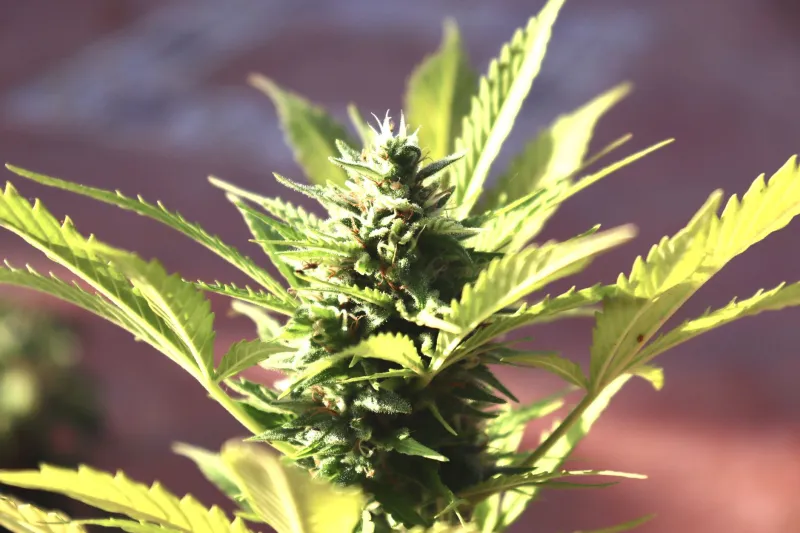
Beyond the Buzzword: What Craft Cannabis Actually Means and How to Find It
The Word 'Craft' Has a Problem
In the American cannabis industry, few terms have been stretched further from their original meaning than the word "craft." Much like "artisan" on a supermarket bread label, the designation has been adopted so liberally by large-scale producers that it has begun to lose its signal value entirely. Walk through the dispensary shelves of any mature market — California, Colorado, Oregon, Michigan — and you will encounter dozens of brands invoking the language of small-batch cultivation while moving product at an industrial scale.
For the discerning consumer, this presents a genuine challenge. The promise of craft cannabis is a meaningful one: superior genetics tended with deliberate care, sustainable growing practices, and a direct relationship between the cultivator and the final product. When that promise is honored, the difference is palpable. When it is merely a marketing posture, the consumer pays a premium for nothing more than attractive packaging.
So what does craft cannabis actually mean — and how does one find it?
Defining the Standard: What Separates Artisanal from Industrial
The craft cannabis movement draws its philosophical lineage from parallel revolutions in American food and beverage culture. Just as the craft beer movement of the 1980s and 1990s arose in direct opposition to the homogenization of large commercial breweries, today's independent cannabis cultivators are positioning themselves against the consolidation pressures that have swept through legalized markets.
Several defining characteristics consistently emerge among cultivators whose work merits the craft designation.
Scale and intentionality. Genuine craft producers are constrained not merely by licensing regulations but by genuine philosophical commitment to small-batch cultivation. In practice, this often means canopy sizes ranging from a few hundred to a few thousand square feet — environments where a single grower or a small team can maintain intimate, hands-on oversight of every plant throughout its life cycle. The cultivator knows each strain by its specific behavioral tendencies, not by a spreadsheet.
Genetics as a creative medium. Where large commercial operations favor high-yielding, stable cultivars that perform predictably across thousands of square feet, authentic craft growers treat genetics as their primary creative material. Many maintain proprietary breeding programs, developing in-house cultivars that cannot be found elsewhere. Others form relationships with respected legacy breeders — names like Bodhi Seeds, Exotic Genetix, or Swamp Boys Seeds — whose work prioritizes complexity of expression over commercial convenience.
Post-harvest discipline. Among connoisseurs, this is perhaps the most reliable differentiator. The slow cure — a deliberate, weeks-long process of moisture management conducted in controlled conditions — is time-consuming and requires attentive daily monitoring. Industrial operations rarely afford this luxury. Properly cured cannabis reveals its terpene profile with a depth and nuance that fast-dried, mass-produced flower simply cannot replicate. The difference, once experienced, is unmistakable.
Transparent provenance. Authentic craft producers are not reluctant to discuss where their cannabis comes from. Batch numbers, harvest dates, cultivar lineage, growing medium, and amendment inputs are points of pride, not proprietary secrets. Opacity, by contrast, is frequently a signal that the supply chain does not withstand scrutiny.
The Cultivators Advancing the Conversation
Across the country's most developed cannabis markets, a cohort of independent growers is doing work that demands serious attention.
In Northern California's Humboldt and Mendocino counties — ground long considered sacred in the American cannabis tradition — farmers working within the state's appellation framework are producing sun-grown, living-soil flower that reflects the specific character of their land with remarkable fidelity. Operations such as Huckleberry Hill Farms have become reference points for what thoughtful, environmentally integrated cultivation can achieve, producing cultivars whose terpene complexity speaks directly to the particular microclimate and soil biology of their origin.
In the Pacific Northwest, Oregon's relatively permissive licensing environment has fostered an unusually dense concentration of small craft producers. Growers there have leveraged the state's agricultural heritage and progressive regulatory climate to experiment with Korean natural farming inputs, no-till living soil systems, and water-only growing approaches that produce flower of striking aromatic intensity.
In Michigan — one of the more recently matured markets — a new generation of cultivators has emerged with the advantage of studying what worked and what failed in earlier legal states. Small Detroit-area operations and rural Upper Peninsula farms alike are bringing a rigor to genetics and post-harvest handling that is producing some of the most compelling domestic flower currently available.
How to Identify Authentic Craft Products at the Dispensary
For the consumer navigating a dispensary floor, several practical indicators can help distinguish genuine craft products from those merely wearing the aesthetic.
Examine the certificate of analysis with intention. Beyond verifying cannabinoid percentages — a metric the industry has over-indexed on to the detriment of more meaningful quality indicators — scrutinize the terpene panel. Authentic craft flower frequently displays a complex, varied terpene profile with multiple compounds present in meaningful concentrations. A flat or sparse terpene report is often symptomatic of industrial production and inadequate curing.
Ask about the harvest and cure dates. A dispensary that cannot or will not provide this information is, in itself, an informative answer. Properly cured, recently harvested flower from a small producer is generally accompanied by this documentation as a matter of course.
Engage with the grower directly. Many authentic craft producers participate in farmers' market-style cannabis events, maintain direct social media presences, or sell through dispensary partnerships that allow for genuine producer-to-consumer communication. A cultivator who is proud of their work will welcome the conversation.
Trust your senses. Open the container. The olfactory experience of well-grown, properly cured cannabis is distinctive — layered, evolving, and specific in a way that mass-produced alternatives rarely achieve. If the aroma is flat, generically "weedy," or dominated by a single note without development, the product's pedigree is worth questioning regardless of the marketing language surrounding it.
Why This Movement Matters to the Serious Consumer
The craft cannabis movement is not merely a matter of aesthetic preference. It represents a meaningful argument about the kind of industry American consumers are choosing to support. Independent cultivators who prioritize sustainable inputs, living soil biology, water conservation, and fair labor practices are building a model for cannabis production that is qualitatively different from the extractive, efficiency-driven logic of large-scale commercial operations.
For the connoisseur, supporting this work is an act of alignment between values and purchasing behavior — the same logic that drives a thoughtful wine drinker toward small-production natural wines or a coffee enthusiast toward direct-trade single-origin roasters. The product is better. The story behind it is richer. And the producers who make it are, in the most genuine sense of the word, craftspeople.
Seeking them out requires patience and education. It is, however, among the most rewarding pursuits available to anyone who takes cannabis seriously as a subject of connoisseurship.