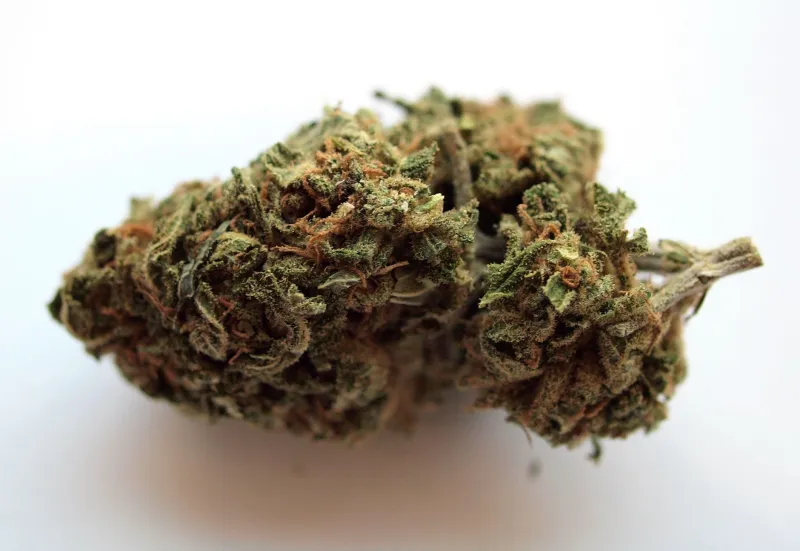
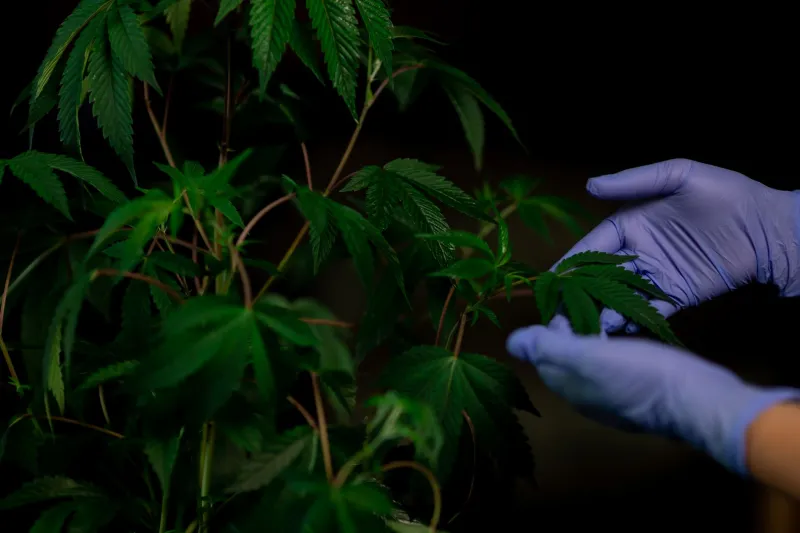
Bloodlines and Brilliance: A Connoisseur's Guide to Reading Cannabis Genetics
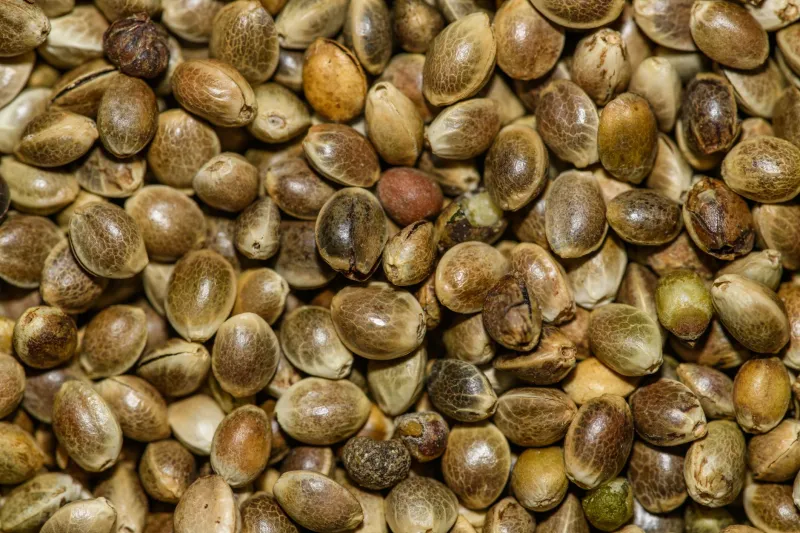
In the world of fine wine, a bottle's pedigree — the vineyard, the vintage, the varietal clone — commands as much reverence as the liquid itself. Serious collectors do not simply purchase a label; they study a provenance. The same principle, increasingly, applies to cannabis. For those who approach the plant with genuine connoisseurship, understanding genetics is not an academic exercise. It is the foundation upon which all informed appreciation is built.
When a cultivar commands premium prices at a boutique dispensary in Denver or a curated delivery service in Los Angeles, the reasons rarely begin with marketing copy. They begin in a breeding room, in a mother plant's resin glands, and in the painstaking selection of traits across multiple generations. To truly understand why one strain endures as a classic while another fades into obscurity, one must first learn to read the language of cannabis lineage.
The Architecture of a Strain: What Genetics Actually Governs
At its most fundamental level, a cannabis strain is a population of plants sharing a common genetic blueprint. That blueprint encodes everything from cannabinoid ratios and terpene profiles to growth structure, flowering time, and environmental resilience. When a breeder crosses two parent plants, they are not simply blending flavors — they are recombining thousands of genetic variables, each capable of expressing differently depending on which alleles a given offspring inherits.
This is why two seeds from the same packet can produce plants that look, smell, and effect quite differently. Genetics establishes possibility; expression determines reality. A cultivar described as high-myrcene may produce offspring across a wide spectrum of aromatic intensity depending on how those traits segregate during reproduction. Understanding this distinction — between genetic potential and actual phenotypic expression — is among the first lessons in true cannabis literacy.
Landrace to Legend: Tracing the Ancestral Map
The story of modern cannabis genetics begins with landraces: geographically isolated populations that evolved over centuries in specific regions of the world. The Hindu Kush mountains of Afghanistan, the highlands of Colombia, the equatorial forests of Thailand — each produced cannabis adapted to its environment, with distinct chemical profiles and growth characteristics shaped by altitude, climate, and soil.
These landrace populations became the raw genetic material from which the entire contemporary cultivar landscape was constructed. The original Skunk #1, developed in the late 1970s by breeders working under the collective known as Sacred Seeds, drew from Afghani, Acapulco Gold, and Colombian Gold parentage. OG Kush, one of the most influential cultivars in American cannabis history, carries lineage tracing to Chemdawg and a Hindu Kush derivative. Sour Diesel's exact origins remain disputed, but its influence on East Coast cannabis culture — and on the terpene profiles favored by an entire generation of enthusiasts — is undeniable.
For the connoisseur, tracing these ancestral lines is not mere historical trivia. It provides predictive insight. A cultivar with strong Afghani indica heritage will likely express differently — in structure, in sedative quality, in resin density — than one built primarily on equatorial sativa genetics. Lineage is a map, and experienced collectors learn to read it.
Phenotype Selection: Where Art Meets Science
If genetics is the architecture, phenotype selection is the interior design. Even within a genetically consistent population, individual plants express their inherited traits with meaningful variation. A skilled breeder — or an experienced cultivator working with seeds rather than clones — will grow out large numbers of plants from a given cross specifically to identify the exceptional individual: the phenotype that best captures the intended combination of potency, aroma, structure, and stability.
This process, sometimes called a "pheno hunt," is both rigorous and deeply subjective. The breeder evaluates dozens or even hundreds of plants, assessing terpene expression at different growth stages, measuring cannabinoid density, observing structural resilience, and ultimately making an aesthetic judgment about which individual best represents the vision for the cultivar. When that individual is selected and propagated through cloning, it becomes the strain as the market comes to know it.
This is why clone-only cultivars often command particular reverence among collectors. A strain like Triangle Kush or Headband exists as a specific genetic individual — a particular phenotype that has been preserved and distributed through clonal propagation over years or decades. Acquiring a verified cut of such a cultivar is, in cannabis terms, analogous to obtaining a bottle from a celebrated single-barrel whiskey release. The provenance is specific, traceable, and irreproducible through seeds alone.
Consistency, Stability, and the Question of F1 versus Open-Pollinated Genetics
One of the more technically nuanced aspects of cannabis genetics involves the distinction between F1 hybrids and open-pollinated or stabilized lines. F1 hybrids — first-generation crosses between two distinct, inbred parent lines — typically exhibit what geneticists call hybrid vigor: enhanced growth, potency, and uniformity compared to either parent. However, seeds produced from F1 plants will not breed true. Each subsequent generation introduces increasing genetic variation.
Stabilized lines, by contrast, have been selectively bred across multiple generations to minimize variation, producing seeds that reliably express consistent traits. For collectors and cultivators who value predictability, stabilized genetics offer a meaningful advantage. For those who relish the hunt for exceptional individuals within variable populations, the genetic lottery of less-stabilized crosses can yield extraordinary discoveries.
The finest breeders operating in the United States today — from Bodhi Seeds to Exotic Genetix to Archive Seed Bank — each approach this balance differently, and their philosophies are worth studying as part of any serious collector's education.
Reading Between the Lines at the Dispensary
Armed with a working understanding of genetics, the connoisseur approaches a dispensary menu differently than the casual consumer. Rather than selecting based on THC percentage alone — a metric that tells a fraction of the relevant story — the genetically literate shopper asks different questions. What is the cultivar's lineage? Has the producer disclosed the specific phenotype or seed source? Is this a clone-only cut with verified provenance, or a seed-run batch with inherent variability?
The answers to these questions carry real implications for the experience the product will deliver. A well-documented, phenotype-selected cultivar from a producer with transparent breeding practices offers something that a generically labeled "hybrid" cannot: accountability, traceability, and the reasonable expectation of consistency.
This is precisely the kind of intelligence that separates the connoisseur from the consumer. It is not about elitism — it is about precision. When one invests meaningfully in a cannabis purchase, understanding what one is actually acquiring is not optional. It is the beginning of genuine appreciation.
Genetics as the Foundation of Connoisseurship
The most celebrated cultivars in American cannabis culture — the ones that persist across decades, that inspire devoted followings, that command premium positioning in discerning markets — share a common characteristic. They were built on exceptional genetics, selected with intention, and preserved with care. Their reputations were not manufactured; they were earned through biological excellence and the hard work of breeders who understood that true quality begins long before harvest.
For the Cannaisseur who seeks not merely to consume but to truly understand, genetics is the essential curriculum. It transforms the act of selection from a guessing game into a practiced discipline — one that rewards study, sharpens the palate, and deepens every encounter with the plant.