Rare by Design: The Connoisseur's Case for Chasing Micro-Batch Cannabis Releases
There is a particular thrill known to collectors of rare bourbon, subscribers to allocated Burgundy mailing lists, and the dedicated few who set alarms for Supreme drop days. It is the thrill of scarcity — not scarcity born of poor supply chains or market failure, but scarcity engineered by artisans who have made a deliberate choice to prioritize depth over volume. That same quiet excitement has arrived, fully formed, in the world of premium cannabis.
The micro-batch movement is not a marketing invention. It is the natural consequence of a maturing industry, one in which a growing class of cultivators has decided that growing less — with greater care, greater precision, and greater reverence for the plant — is the only honest path forward.
What Defines a Micro-Batch Release
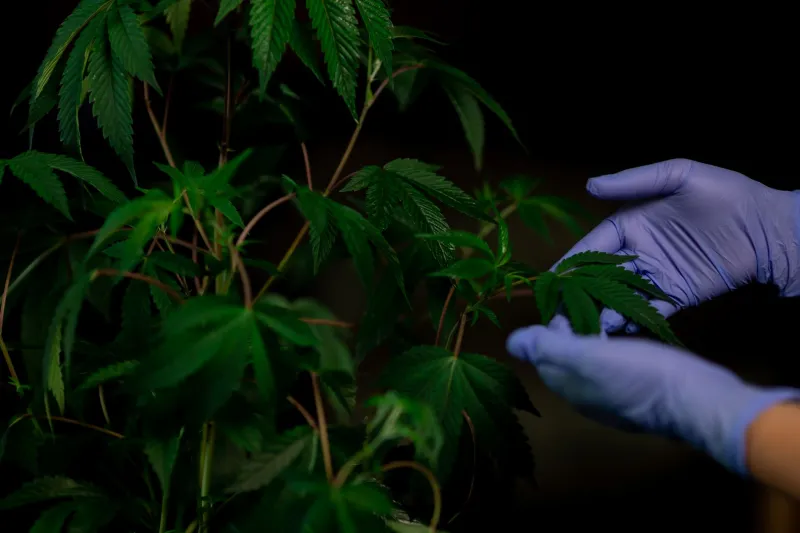
The term "micro-batch" carries meaningful weight when applied honestly. In cannabis cultivation, it refers to small-scale grows — typically a single room, a handful of plants, or a tightly controlled outdoor plot — where every variable receives personal attention. Lighting schedules, nutrient profiles, harvest timing, and post-harvest curing are not delegated to automated systems. They are managed by growers who understand that exceptional flower is not manufactured; it is coaxed.
Much like a single-barrel whiskey expression or a grower-producer Champagne, micro-batch cannabis reflects the specific decisions of a specific person in a specific season. That individuality is precisely what makes it worth pursuing. No two runs of the same cultivar will ever be identical, and experienced connoisseurs have come to appreciate those subtle variations as features rather than flaws.
Limited releases may surface as a single harvest of a rare or proprietary cultivar, a collaboration between two respected breeders, or a "library cut" — a preserved phenotype that a cultivator has grown privately for years before making available to the public in a one-time offering.
The Parallels to Other Luxury Categories
The comparison to fine spirits and wine is not merely aesthetic. It reflects a shared set of values: the belief that the most meaningful products are those produced with full accountability for every step of their creation.
Consider how allocated bourbon works in practice. Distilleries like Buffalo Trace release expressions such as Pappy Van Winkle in quantities so limited that most retail accounts receive only a bottle or two per year. The allocation system rewards long-standing relationships, attentiveness, and, frankly, a willingness to do the work of staying informed. The cannabis world has developed strikingly similar dynamics.
Cultivators operating at the micro-batch level often maintain mailing lists, release calendars on their websites, and even lottery systems for high-demand drops. In legal markets from California to Colorado to Massachusetts, savvy consumers have learned to follow these producers the way serious wine collectors follow small-production Napa estates — with patience, loyalty, and genuine curiosity about what each new release will bring.
How to Navigate Release Calendars and Waitlists
For those new to this corner of the cannabis world, the mechanics of chasing a limited release can feel opaque. The following practices will serve any aspiring connoisseur well.
Follow the grower, not just the brand. Many micro-batch producers maintain a social media presence or newsletter that announces upcoming drops before they appear in dispensaries. Subscribing directly to a cultivator's communications is the single most reliable way to stay ahead of allocations.
Develop relationships with premium dispensary buyers. Retail buyers at elevated cannabis boutiques often have advance knowledge of incoming micro-batch inventory. A genuine, curious conversation about what they are excited to receive — rather than a transactional inquiry about price — goes a long way toward being remembered when something exceptional arrives.
Study the producer's release history. Cultivators who operate with integrity tend to follow patterns. If a particular farm releases a single-origin sungrown harvest each autumn, mark your calendar. Consistency in craft is itself a signal of quality.
Be prepared to act quickly. Limited releases at the retail level can move in hours, particularly in markets with a well-educated consumer base. Hesitation is frequently the difference between securing a jar and reading about it afterward.
What Separates Worthy Producers from the Noise
Not every small-batch label deserves the connoisseur's attention. The language of craft and exclusivity has, inevitably, attracted producers whose primary interest is in the premium pricing that accompanies the aesthetic rather than the substance behind it.
Several indicators distinguish genuine micro-batch cultivators from those merely performing the role. Transparency is paramount: producers worth following are forthcoming about their growing methods, their genetic sources, and their curing processes. They do not hide behind vague claims of "small-batch quality" without substantiating what that means in practice.
Third-party testing results, when reviewed carefully, tell a meaningful story. A cultivator whose terpene profiles are rich, complex, and consistent across harvests is demonstrating real horticultural skill. Cannabinoid percentages alone are a poor measure of quality — a point the most knowledgeable consumers have long understood — but a full panel that reveals a sophisticated chemical fingerprint is worth noting.
Perhaps most tellingly, the best micro-batch producers speak about their work with the language of agriculture rather than commerce. They reference soil composition, seasonal variation, and the specific characteristics of individual phenotypes. They express genuine enthusiasm for the plant that transcends its market value.
Building a Collection Around Limited Releases
For the serious cannabis connoisseur, micro-batch drops are not impulse purchases. They are acquisitions — additions to a curated personal collection that reflects taste, knowledge, and a particular vision of what the plant can be at its finest.
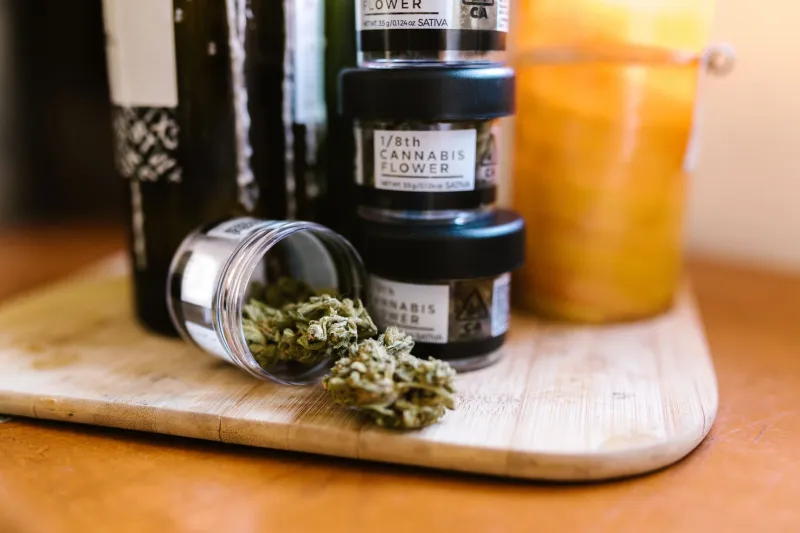
Storing limited-release flower with appropriate care — in sealed, UV-resistant glass, at stable humidity and temperature — preserves the investment and allows for the kind of comparative tasting that deepens appreciation over time. Opening a jar of a well-preserved micro-batch harvest six months after purchase and comparing it to a fresh drop from the same producer is an exercise in education that no article, including this one, can fully replicate.
The micro-batch movement is, at its core, an invitation. It asks the cannabis consumer to slow down, to pay attention, and to recognize that the most extraordinary experiences with this plant are rarely found in abundance. They are found in the carefully tended corner of a small farm, in a phenotype that a dedicated grower has spent years perfecting, and in the hands of someone who understood that the hunt itself is part of the reward.