Speaking the Language of Cannabis: A Connoisseur's Guide to Sensory Evaluation and Flavor Mastery
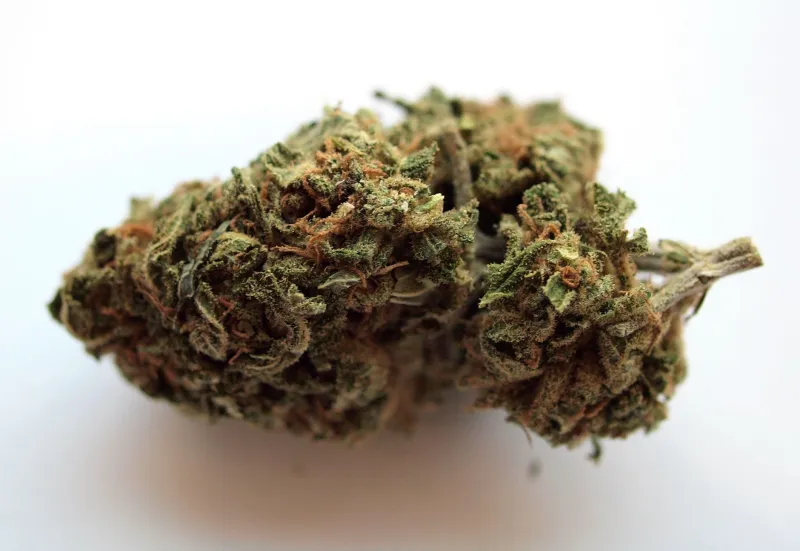
There is a moment—one that every serious connoisseur eventually encounters—when the experience of cannabis transcends mere enjoyment and becomes something closer to comprehension. A particular exhale carries a distinct memory: fresh-cut citrus rind, perhaps, or the damp earthiness of a Pacific Northwest forest floor. In that instant, the plant is no longer simply consumed; it is read.
This capacity for nuanced sensory interpretation does not arrive fully formed. It is cultivated. Much as a skilled sommelier trains over years to distinguish a Burgundy from a Beaujolais, or a master distiller learns to identify the precise char notes in a barrel-aged bourbon, the cannabis connoisseur develops their palate through deliberate practice, structured methodology, and an ever-expanding vocabulary of flavor.
What follows is a guide to doing exactly that.
Why Tasting Notes Matter
Skepticism is understandable. In a culture where cannabis has long been discussed in the bluntest possible terms—strong, smooth, harsh—the idea of composing formal tasting notes may seem precious. But the language we use to describe sensory experience is not mere affectation; it is a tool for memory, communication, and discernment.
When you articulate what you are tasting, you encode the experience in a way that casual consumption does not permit. You begin to recognize patterns across cultivars, identify the terpene signatures that resonate most deeply with your preferences, and make more informed choices the next time you approach a new product. Tasting notes are, at their core, a record of your evolving relationship with the plant.
The Architecture of Cannabis Flavor
Before developing your palate, it helps to understand what you are actually tasting. Cannabis flavor derives primarily from terpenes—the aromatic compounds responsible for the distinctive scents and tastes of individual cultivars. Over two hundred terpenes have been identified in cannabis, though a relative handful dominate the flavor profiles most connoisseurs encounter regularly.
Myrcene imparts an herbal, slightly musky earthiness reminiscent of ripe mango or hops. Limonene delivers the bright, zesty lift of lemon or orange peel. Pinene conjures pine needles and fresh mountain air. Linalool introduces floral, almost lavender-like softness. Caryophyllene adds spice—black pepper, clove, a warm woodiness that lingers on the palate.
Beyond terpenes, minor cannabinoids, combustion byproducts (in smoked flower), and even the cultivation environment itself all contribute to the final sensory profile. Understanding this architecture gives your palate a map to follow.
Setting the Stage: The Conditions of Proper Evaluation
Serious sensory evaluation demands conditions that honor the experience. Before you begin, consider the following:
Cleanse your palate. Avoid strongly flavored foods, coffee, or alcohol for at least an hour prior. Sparkling water or a plain cracker can help neutralize residual flavors.
Control your environment. Ambient aromas—cooking smells, perfume, cleaning products—can contaminate your olfactory assessment. Evaluate in a neutral, well-ventilated space.
Use appropriate equipment. A clean glass pipe, a dry-herb vaporizer set to a precise temperature, or high-quality rolling papers each present the flower differently. Vaporizers, in particular, offer the advantage of temperature control, allowing you to isolate terpene expression at lower heat before introducing the fuller spectrum of compounds at higher settings.
Take notes in real time. Memory is fallible. Keep a dedicated journal—physical or digital—and record your observations immediately.
A Framework for Evaluation: The Three Stages
Adapting methodology from wine and spirits assessment, a structured cannabis evaluation unfolds across three distinct stages.
Stage One: The Nose
Begin before the product is consumed. With dried flower, gently break apart a small amount and inhale deeply. What arrives first? Initial impressions—what sommeliers call the attack—are often the most volatile terpenes, the ones that dissipate quickly. Then notice what follows: the mid-notes that emerge as the material warms slightly in your hand, and finally the base notes, the deeper, more persistent aromas that linger.
Descriptors to consider: fruity, floral, herbal, earthy, woody, spicy, diesel, sweet, sour, savory, piney, musky.
Stage Two: The Palate
Upon inhalation, pay attention to the initial flavor that presents on the front of the palate. Then track the evolution across the mid-palate—what develops as the vapor or smoke moves through? Finally, assess the finish: what remains after exhalation, and for how long does it persist?
A long, complex finish is generally the hallmark of exceptional flower, just as it is in a well-aged Scotch whisky. Note texture as well—is the experience smooth or slightly harsh? Does it feel expansive or tight in the chest?
Stage Three: The Effect Profile
This is where cannabis evaluation diverges most significantly from wine or spirits assessment. The effect profile—the cognitive and physical experience that follows consumption—is itself a form of sensory data. Is the onset gradual or immediate? Does the experience tend toward mental clarity or physical relaxation? Is there an emotional quality—uplift, calm, introspection?
Recording effect profiles alongside flavor notes allows you to build a genuinely personal database of what works, and why.
Training the Palate Over Time
Palate development is not a sprint. It is a long-form education that rewards consistency and curiosity in equal measure.
Comparative tasting is among the most effective training tools. Evaluate two or three cultivars side by side, noting both their differences and their shared characteristics. This contrast sharpens perception in ways that isolated evaluation cannot.
Engage with the broader sensory world. Visit a farmers' market and practice identifying the aromas of fresh herbs, citrus, stone fruit, and earth. Explore specialty coffee and note how roasters describe flavor. Spend time with craft spirits and observe how distillers articulate finish and mouthfeel. These adjacent disciplines share a vocabulary with cannabis evaluation, and fluency in one enriches fluency in another.
Seek community. Tasting circles—small groups of enthusiasts who evaluate products together and share notes—accelerate individual development significantly. The vocabulary others use to describe a shared experience often unlocks descriptors that had previously eluded you.
Return to familiar cultivars periodically. Revisiting a strain you evaluated months prior, with a more developed palate, is a revelatory exercise. You will almost certainly perceive elements that were invisible to you before.
Building Your Personal Flavor Lexicon
Ultimately, the most sophisticated tasting vocabulary is a personal one. Standard descriptor wheels—borrowed from the wine world and increasingly adapted for cannabis—offer a useful starting point. But the connoisseur who learns to reach beyond the generic and toward the specific—who can distinguish between the tartness of green apple and the jamminess of overripe plum, or between fresh pine and aged cedarwood—has developed something genuinely their own.
That specificity is the goal. Not because precision is an end in itself, but because it reflects a depth of attention that is, at its core, a form of respect: for the cultivator's craft, for the plant's complexity, and for the experience of encountering something exceptional.
The language of cannabis is waiting to be spoken fluently. The cultivation of that fluency begins with the very next breath.