What the Numbers Actually Tell You: A Connoisseur's Guide to Reading Cannabis Lab Reports
Walk into any reputable dispensary in California, Colorado, or Massachusetts and you will encounter a document that most consumers glance at and promptly ignore: the certificate of analysis, commonly abbreviated as a COA. It arrives as a QR code on a label, a printed sheet behind the counter, or a downloadable PDF on a brand's website. It is dense, technical, and — if you know how to read it — one of the most revealing documents in the cannabis marketplace.
For the discerning connoisseur, the COA is not a bureaucratic afterthought. It is the empirical foundation upon which genuine quality assessment rests. Marketing language can be crafted by anyone with a thesaurus and a creative brief. Laboratory data, by contrast, is generated by instruments that do not respond to branding incentives. Understanding what that data means — and, equally important, what it does not mean — is an essential skill for anyone serious about curated cannabis experiences.
Understanding the Source: What Third-Party Testing Actually Involves
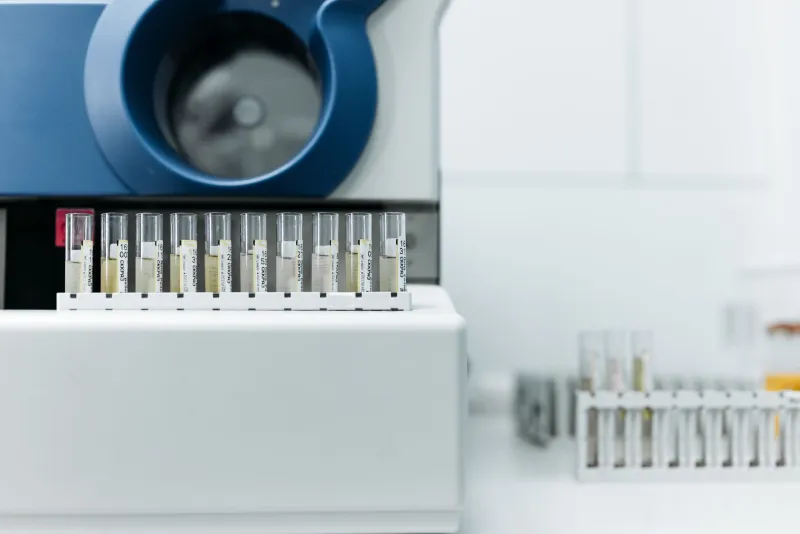
Before parsing the numbers themselves, it is worth understanding how they are produced. Reputable cannabis producers submit flower, concentrate, or edible samples to independent, ISO-accredited laboratories that have no financial stake in the outcome. These facilities use analytical instruments such as high-performance liquid chromatography (HPLC) for cannabinoid quantification and gas chromatography–mass spectrometry (GC-MS) for terpene and contaminant analysis.
The operative word is independent. In-house testing or results provided solely by the cultivator carry an inherent conflict of interest. When evaluating a COA, always verify the testing laboratory's name, accreditation status, and the date the analysis was performed. A COA from an accredited facility dated within the past six months is the baseline standard a connoisseur should expect.
Potency Percentages: Reading Beyond the THC Figure
The number that receives the most attention — and arguably the most misinterpretation — is THC percentage. American cannabis culture has spent the better part of two decades treating this figure as the primary proxy for quality, a habit that reflects a fundamental misunderstanding of how cannabis actually works.
A COA will typically report several cannabinoid values:
- THCA (tetrahydrocannabinolic acid): The raw, acidic precursor found in unheated flower. This is what is actually present in the plant before combustion or vaporization.
- Delta-9 THC: The activated form, present in small quantities in cured flower.
- Total THC: A calculated figure representing the theoretical maximum THC available after full decarboxylation, derived from the formula: Total THC = (THCA × 0.877) + Delta-9 THC.
- CBD, CBDA, CBG, CBC: Additional cannabinoids that contribute to the full pharmacological profile of a given cultivar.
A flower testing at 28% Total THC is not categorically superior to one testing at 22%. Potency figures reflect the concentration of a single compound in a chemically complex botanical product. A cultivar with a slightly lower THC ceiling but a rich minor cannabinoid profile may deliver a more nuanced and satisfying experience than a maximized THC specimen grown under conditions that sacrificed terpene development in favor of raw potency.
Connoisseurs should resist the impulse to treat the THC column as a leaderboard.
The Terpene Panel: Where Character Lives
If cannabinoid data tells you something about a product's theoretical ceiling, the terpene profile tells you something far more interesting: its character. Terpenes are the aromatic and flavor compounds that give each cultivar its distinct sensory identity — the pine resin of a well-grown Jack Herer expression, the ripe stone-fruit quality of a Mimosa phenotype, the earthy diesel complexity of a Sour Diesel cut.
A comprehensive COA will include a terpene panel listing individual compounds and their concentrations, typically expressed as a percentage of total weight. Common terpenes you will encounter include:
- Myrcene: Herbaceous, slightly musky; associated with relaxing qualities.
- Limonene: Citrus-forward; often found in cultivars with an uplifting character.
- Caryophyllene: Spicy, peppery; notable as the only terpene known to interact with cannabinoid receptors directly.
- Linalool: Floral, lavender-adjacent; associated with calming effects.
- Pinene: Sharp, resinous; the scent of a forest floor distilled into a compound.
- Terpinolene: Complex, with floral and herbal notes; common in cultivars marketed as "sativa-leaning."
Total terpene content above 2% is generally considered indicative of a well-preserved, aromatic product. More meaningful than the total figure, however, is the composition of that terpene profile. A product with 2.5% total terpenes dominated by a single compound is less complex than one with 2.0% distributed across eight or ten distinct aromatic molecules. Diversity within the terpene panel is a hallmark of genuinely expressive cannabis.
It is also worth noting that terpenes are volatile. A COA reflects the terpene content of the sample at the time of testing. Improper storage, excessive heat, or extended time between testing and purchase can meaningfully reduce terpene concentrations — which is precisely why storage conditions and harvest dates matter alongside the data itself.
Contaminant Screening: The Non-Negotiable Panel
Perhaps the most consequential section of any COA — and the one most frequently overlooked by consumers focused on potency — is the contaminant screening panel. This section reports results for:
- Pesticides: Residues from agricultural chemicals that should not be present in a product intended for inhalation or ingestion.
- Heavy metals: Lead, arsenic, cadmium, and mercury can be absorbed by the cannabis plant from contaminated soil or water sources.
- Residual solvents: Relevant primarily for concentrates and extracts, this panel confirms that processing solvents have been purged to safe levels.
- Microbials: Testing for harmful bacteria, mold, and yeast, including pathogens such as Aspergillus species.
- Mycotoxins: Toxic compounds produced by certain molds, which can persist even after the mold itself is no longer detectable.
Each of these categories will be reported as either a pass or fail against established action limits, which vary by state. A product that passes all contaminant panels has met the minimum safety threshold for legal sale. A product that fails any category should not be on the shelf at all — and encountering one in a licensed dispensary is a red flag about that retailer's sourcing standards.
For the connoisseur, a clean contaminant panel is not a differentiator; it is a precondition. The conversation about quality begins after safety is confirmed.
Using COA Data as a Purchasing Tool
Armed with an understanding of what each section of a COA actually measures, the informed consumer can approach purchasing decisions with considerably more precision. Before committing to a product, consider the following:
- Verify the lab's accreditation and confirm the test date is recent.
- Look beyond THC to assess the full cannabinoid profile, paying particular attention to minor cannabinoids that may shape the experience.
- Evaluate the terpene panel for both total concentration and compositional diversity.
- Confirm all contaminant categories have passed before considering any other quality metric.
- Cross-reference COA data with sensory evaluation — laboratory data and direct experience should inform one another, not exist in isolation.
The brands worth supporting are those that make COA data readily accessible, present it clearly, and stand behind it with transparent cultivation and processing practices. Marketing copy is an invitation. The certificate of analysis is the evidence.
In a market still maturing toward the standards of other premium agricultural categories, the ability to read and reason from laboratory data is one of the most meaningful advantages a connoisseur can cultivate.